The students of the Armenian Studies Department of Pázmány Péter Catholic University, together with the head of the department, Prof. Bálint Kovács, and professors Dr. Karen Jallatyan, Prof. Anatolii Tokmantcev, Prof. András Bácskay, as well as Mrs. Sossi Sousani and Mr. Krisztián Szabó, participated in a study trip from November 7 to 9. The program focused on exploring Hungarian cultural and religious heritage and tracing the historical presence of Armenians in different regions. The itinerary included visits to Kalocsa, Baja, Hajós, Ópusztaszer, and Szeged.
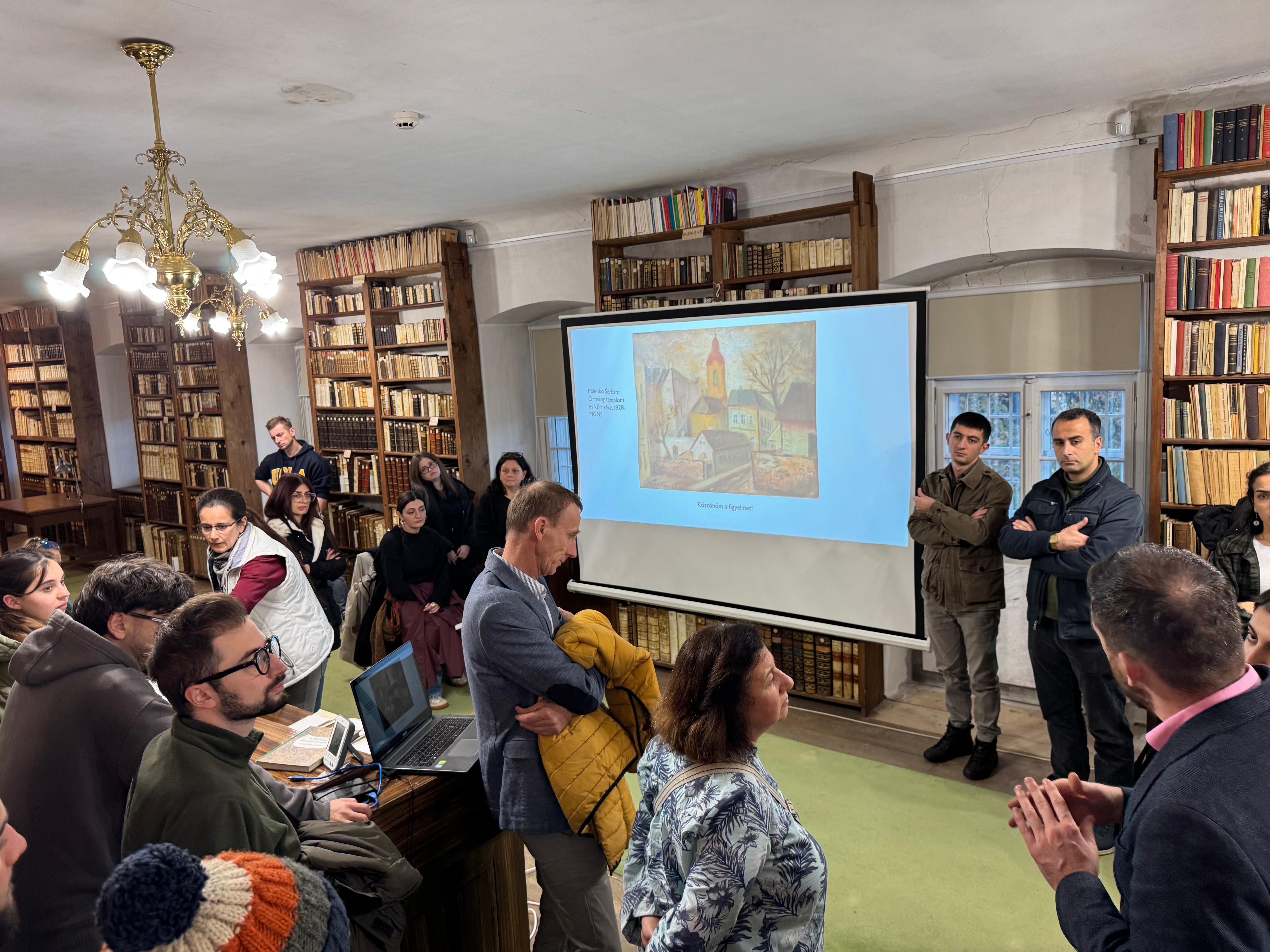
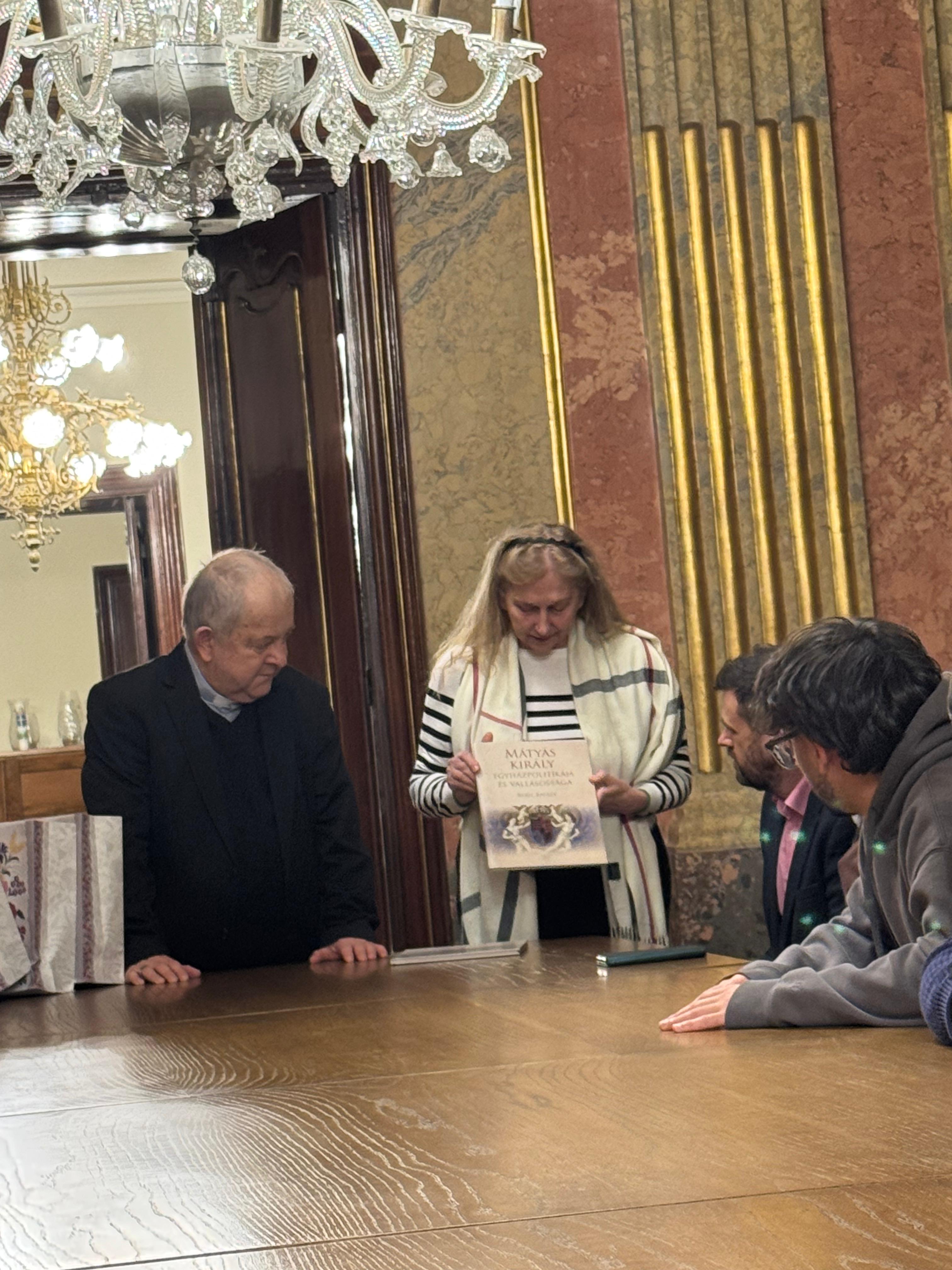
In Kalocsa, the group visited the Archdiocese, Archives, and Library, where they learned about the history of the collections and the Armenian connections found in the area. The participants had the honor of meeting His Excellency, the Archbishop of Kalocsa, Dr. Balázs Bábel, who welcomed them, offered his blessing, and introduced the important heritage preserved in the Cathedral, including significant liturgical items and coins from the Roman period discovered during excavations. He also gifted two books to enrich the department’s library.
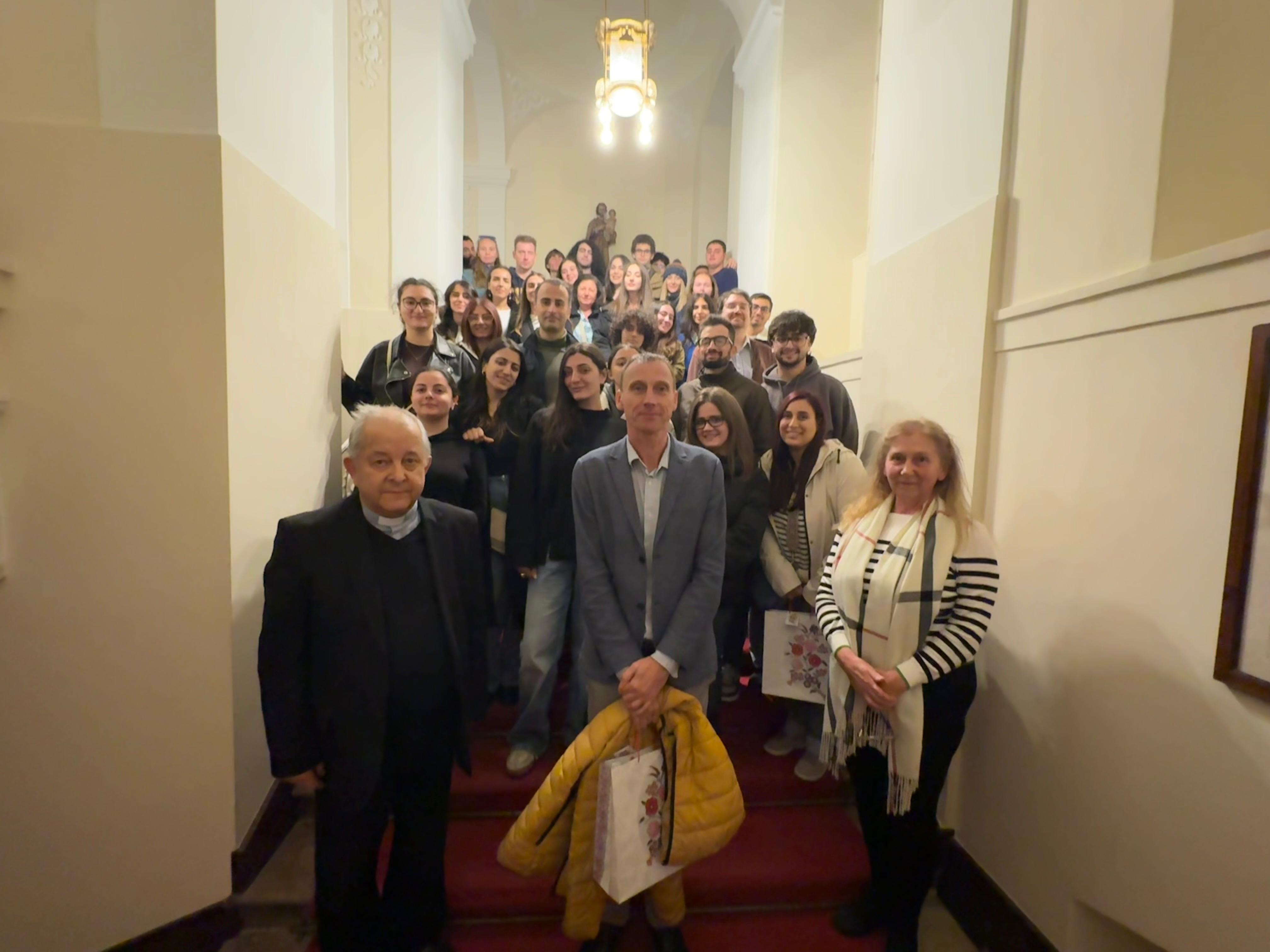
In Hajós, the group toured the Baroque Castle (Archbishop’s Hunting Palace), where they viewed the Archbishop’s historical and hunting collections. The visit continued to the Ópusztaszer National Heritage Park, where the participants saw the Feszty Panorama and learned more about the Arrival of the Hungarians.
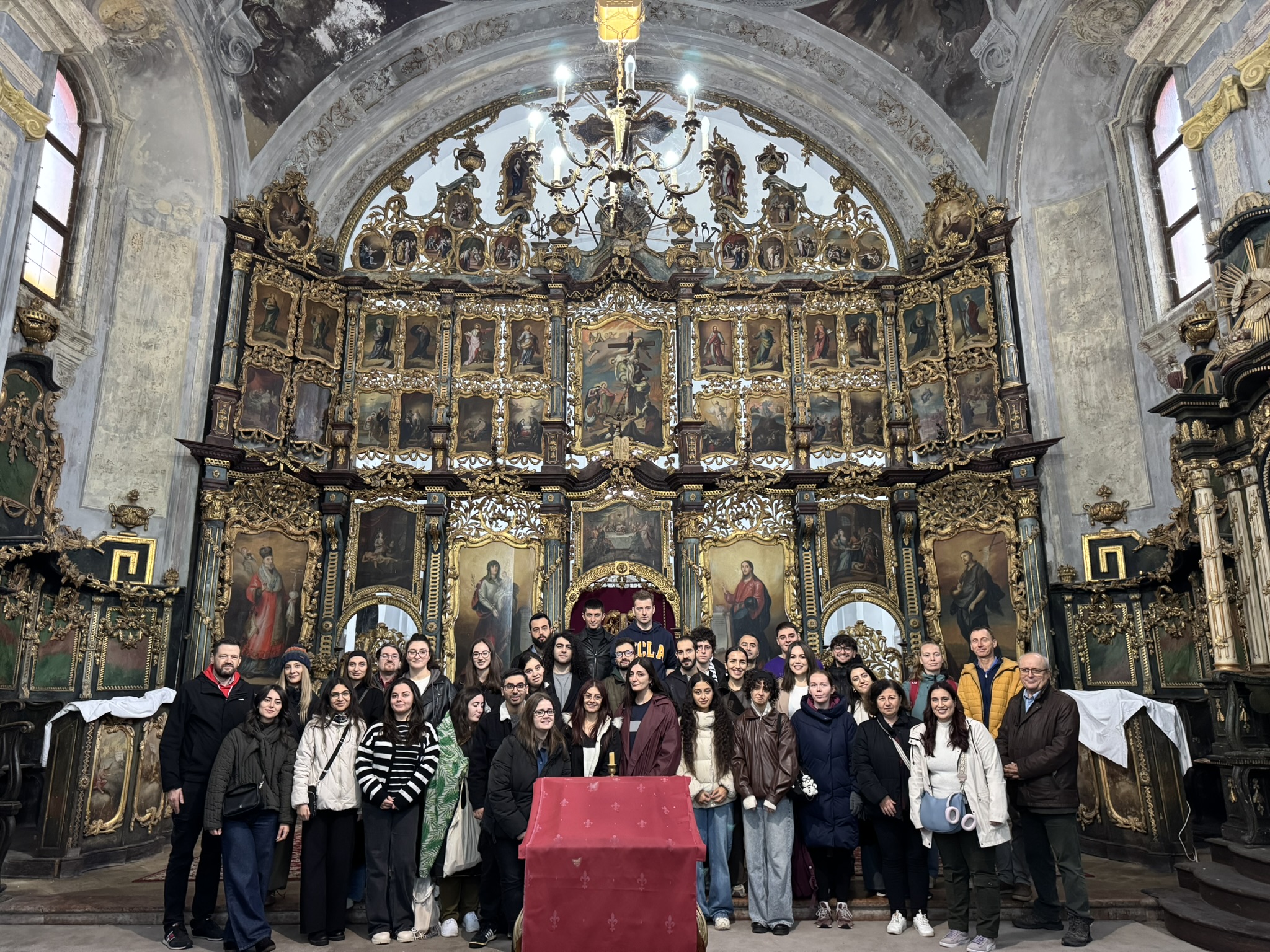
On the final day, the group visited Szeged, where they discovered Armenian traces and a khachkar (Armenian cross-stone) and took part in the Holy Mass at the Dom of Szeged. The study trip concluded with the participants returning to Budapest with new knowledge and a deeper understanding of the cultural and historical connections between the Armenian and Hungarian communities.
Article written by Sarin Bazarbashi (PPCU, MA student)