The Site
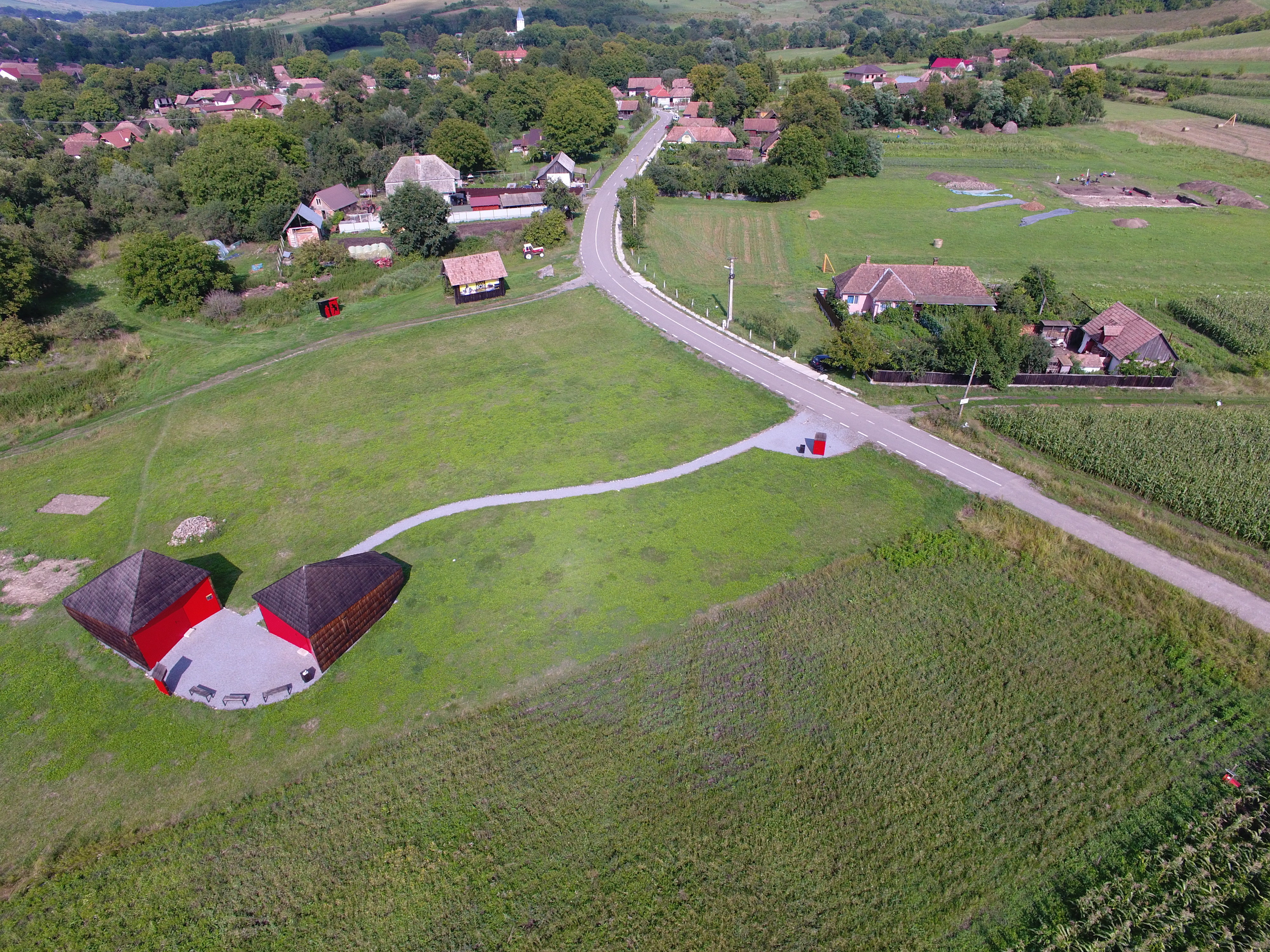
Mikháza is located in Mureș County in Transylvania, in the Nyárád Valley, near Târgu Mureș and Sovata. In Roman times, it hosted an auxiliary fort and a civilian settlement (vicus) along the eastern frontier (limes) of the province of Dacia.
Unlike other Danubian provinces (including Pannonia), the 2nd–3rd century frontier of Dacia was not linear but consisted of a complex, multi-line defensive system adapted to a landscape fragmented by hills, valleys, and mountains. At this eastern frontier location—already considered peripheral in Roman times—an auxiliary unit likely composed of archers, the cohors I Augusta Ituraeorum, originally from Syria, was stationed.
The fort followed the standard architectural layout of Roman military camps of the 2nd–3rd centuries: a rectangular plan with rounded corners and internal towers. Alongside it developed a civilian settlement (vicus), whose bath building and parts of the fortification walls were still visible as late as the 19th century.
Although the fort and settlement themselves do not differ significantly in architecture or importance from other frontier fortifications, Mikháza is one of the best-known and most extensively studied Roman sites in the province of Dacia, due to its natural environment and the superposition of multiple cultural layers. It is also the focus of a multi-layered, interdisciplinary research program.
While earlier investigations had already begun at the military camp, more systematic research is associated with archaeologists from the Mureș County Museum’s Roman Limes Research Centre, who have been conducting regular excavations since 2013 in both the command building (principia) and the vicus. The command building at Mikháza is among the most thoroughly studied in Dacia and, thanks to numerous public events (such as the limes cycling tour, the annual Roman Festival, and Archaeology Day), also one of the most widely publicized.
The significance of the site was further enhanced when, from the summer of 2024, the Dacian limes—including Mikháza—became part of the UNESCO World Heritage.
The Project
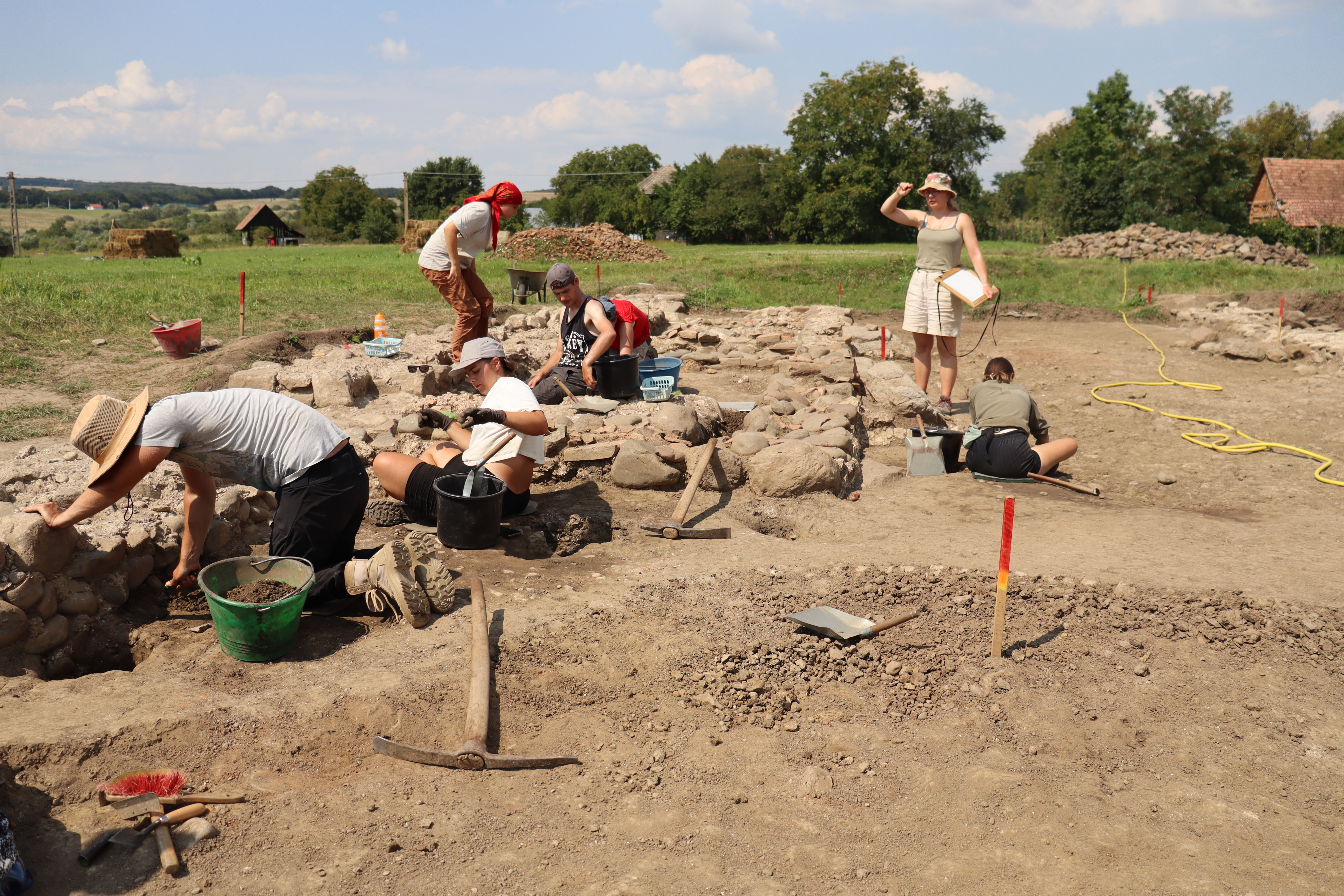
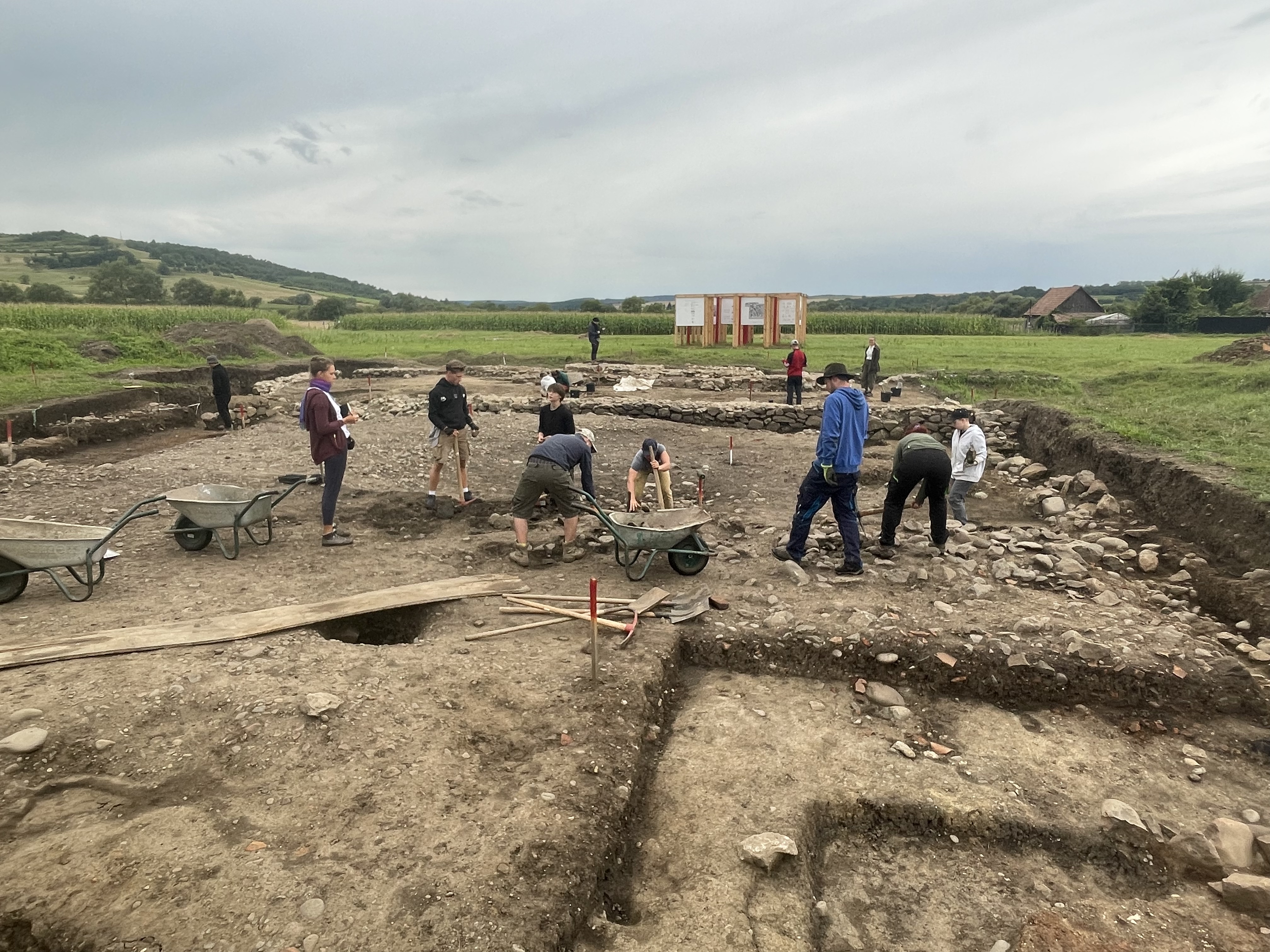
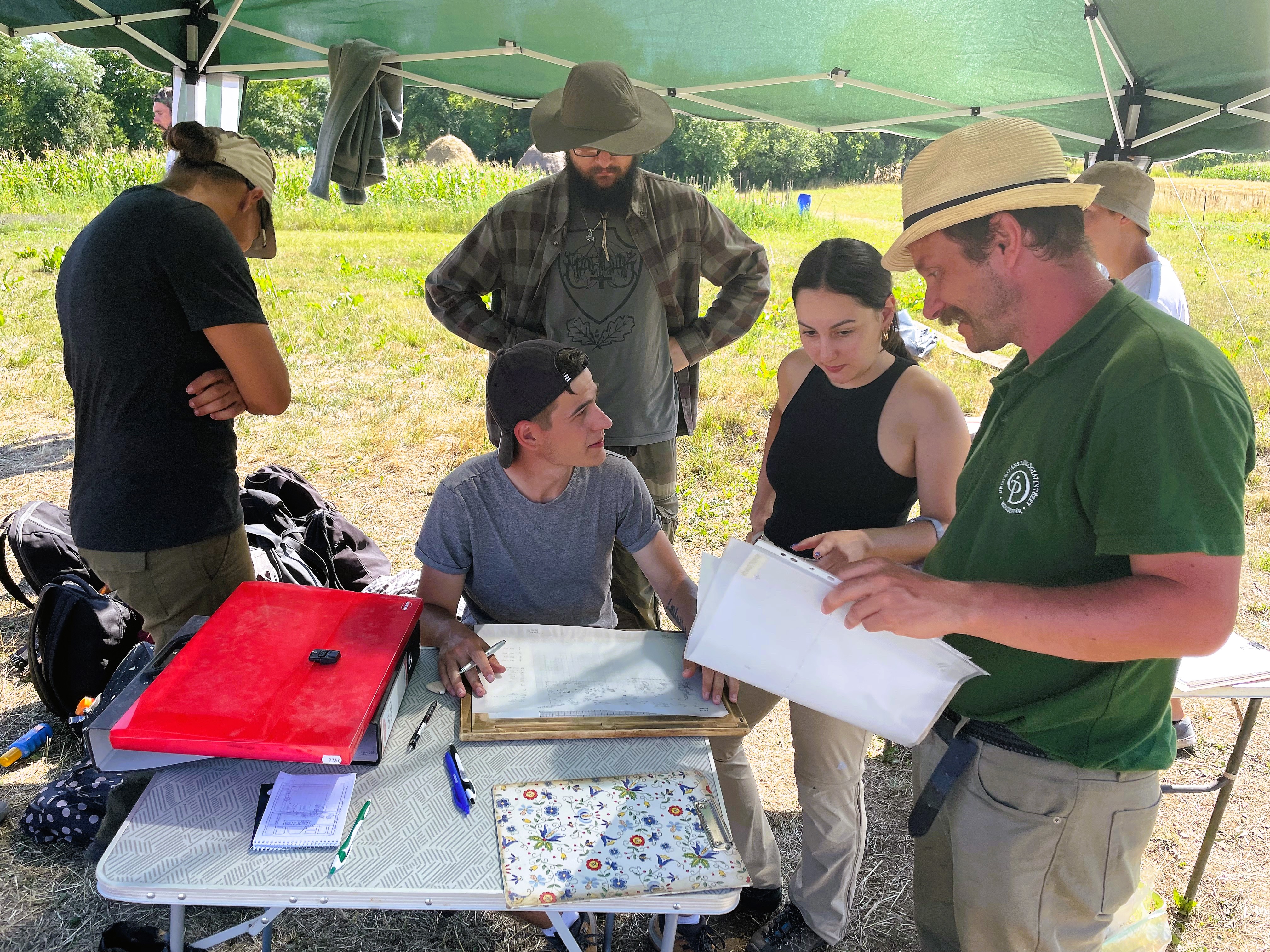
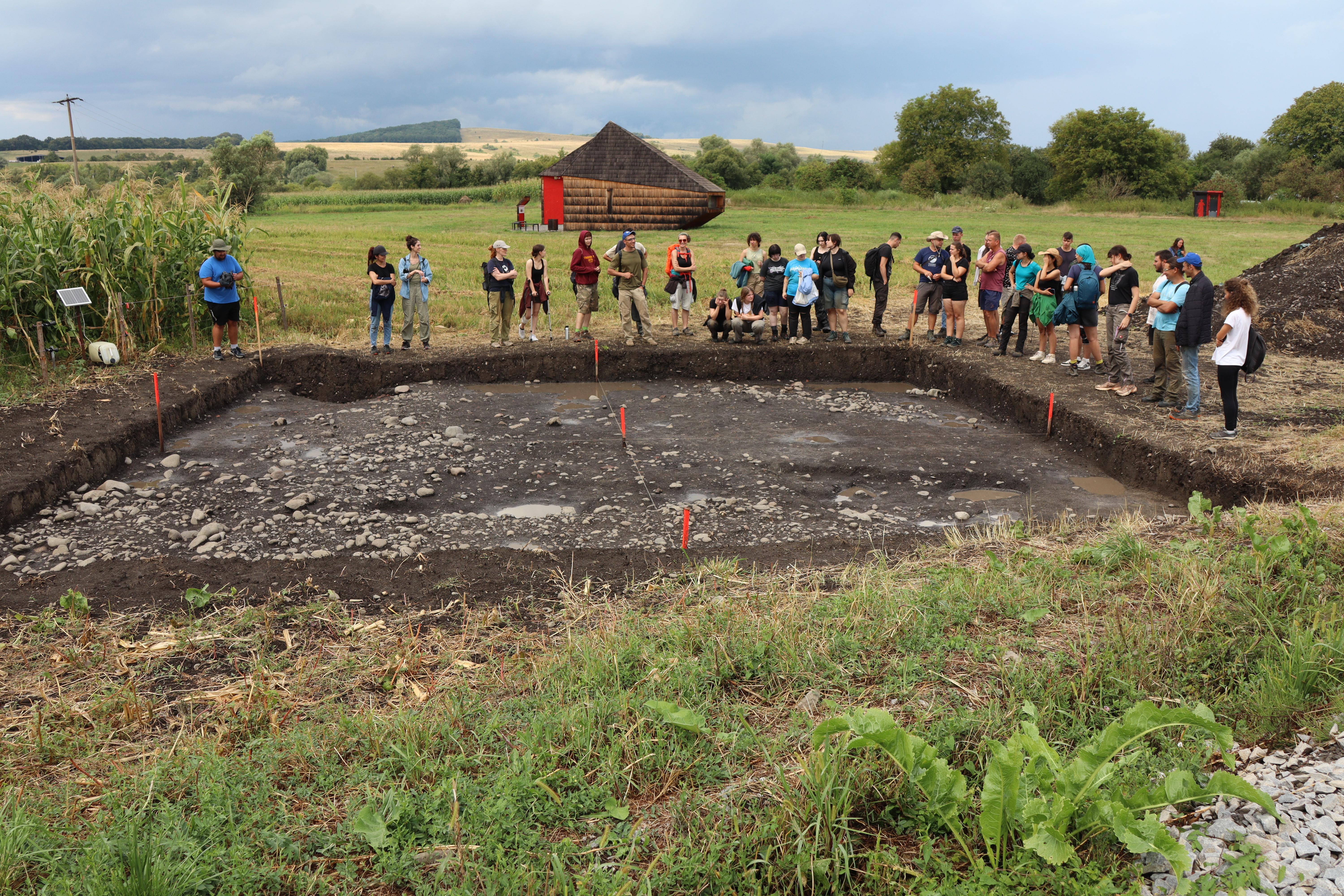
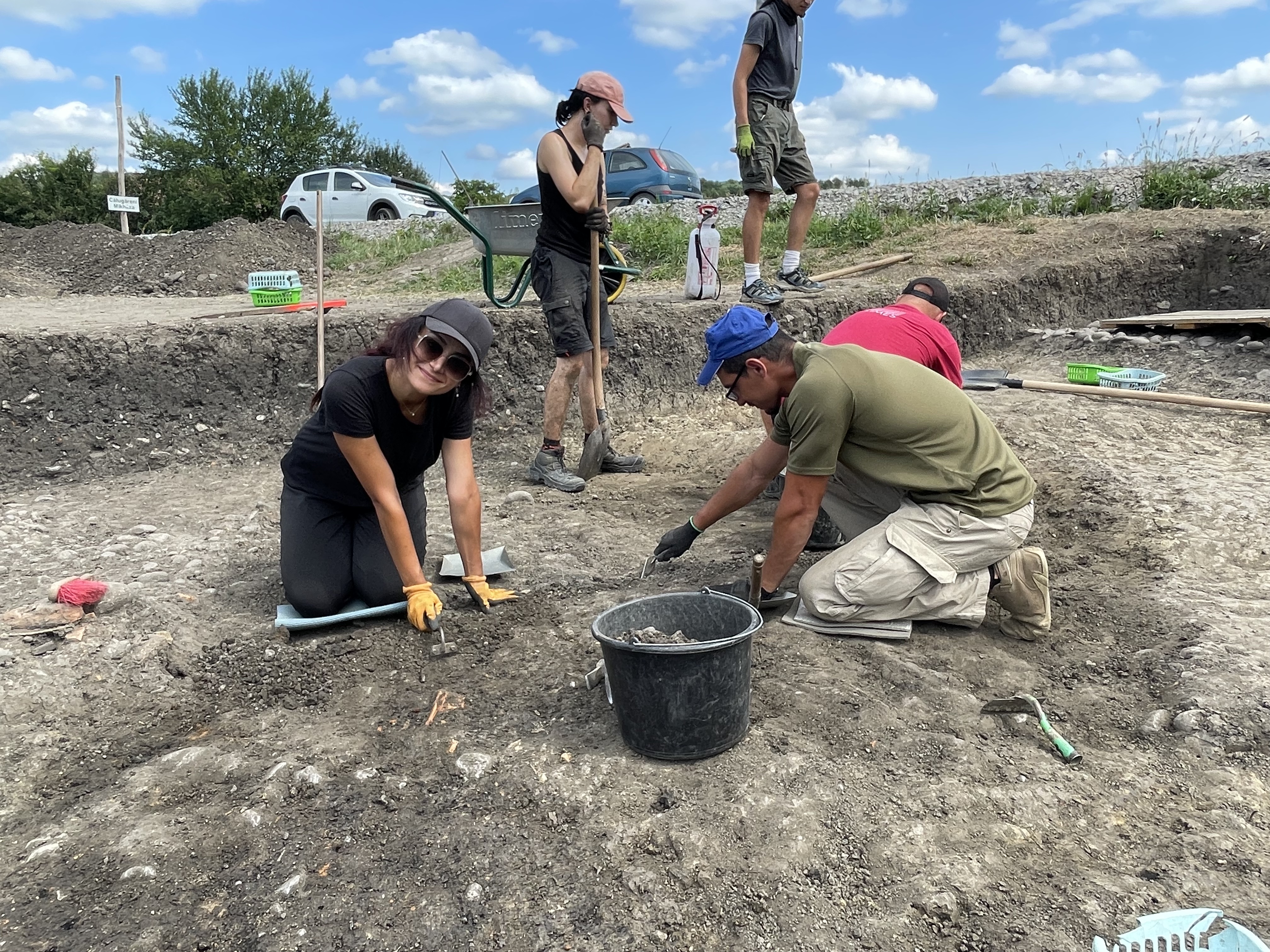
In the summer of 2022, our Institute joined the ongoing research for the first time within the framework of a new Erasmus format, the Erasmus+ Blended Intensive Program. Building on this, in the summers of 2023 and 2024 we participated in a one-month training excavation with 5–7 BA, MA, and PhD students.
Through Lóránt Vass, the lecturer representing our Institute, strong professional connections were already in place, as he had been involved in research at the site almost every year since 2013.
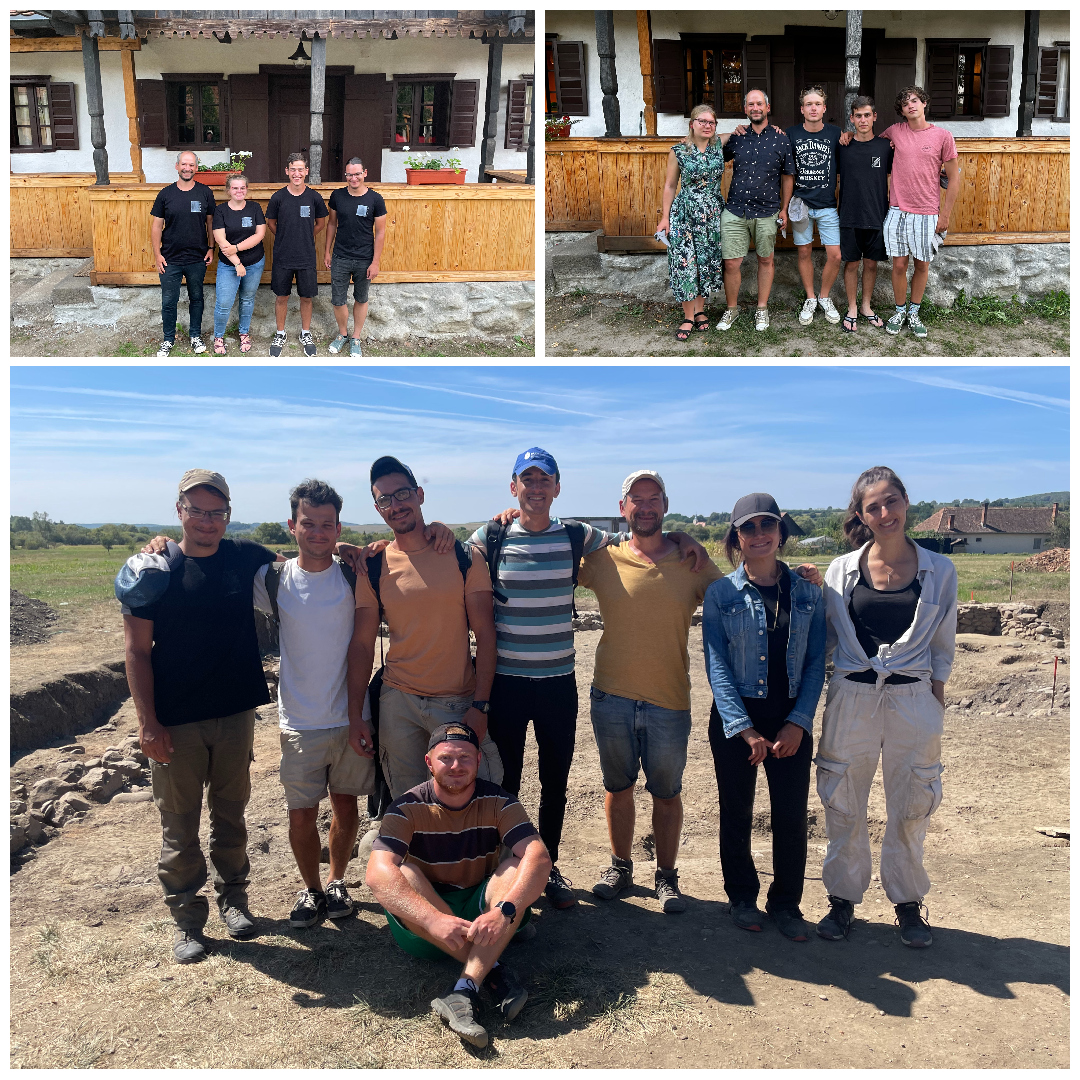
The programs TRoHELD: Tracing the Roman Heritage on the Eastern Limes of Roman Dacia (1–3) and Methods and Practice in Heritage Research on the Frontiers of the Roman Empire (MePoR) brought together over 40 students and 18 instructors and specialists from several institutions, including:
- Humboldt University of Berlin
- University of Cologne
- Erfurt University of Applied Sciences
- University of Trier
- Babeș-Bolyai University (main organizer)
- Eötvös Loránd University
- Budapest University of Technology and Economics
- Pázmány Péter Catholic University
- Mureș County Museum (host institution)
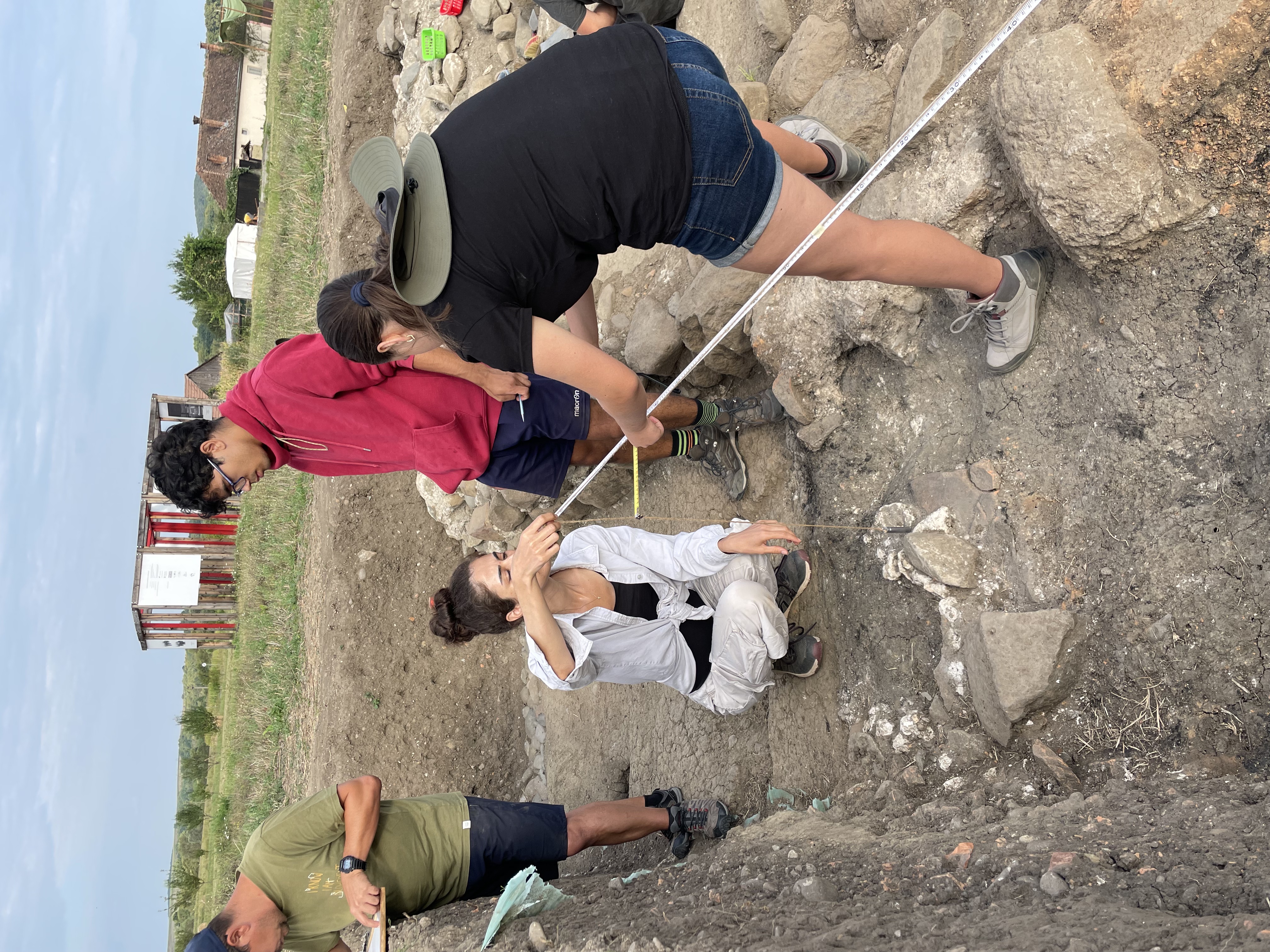
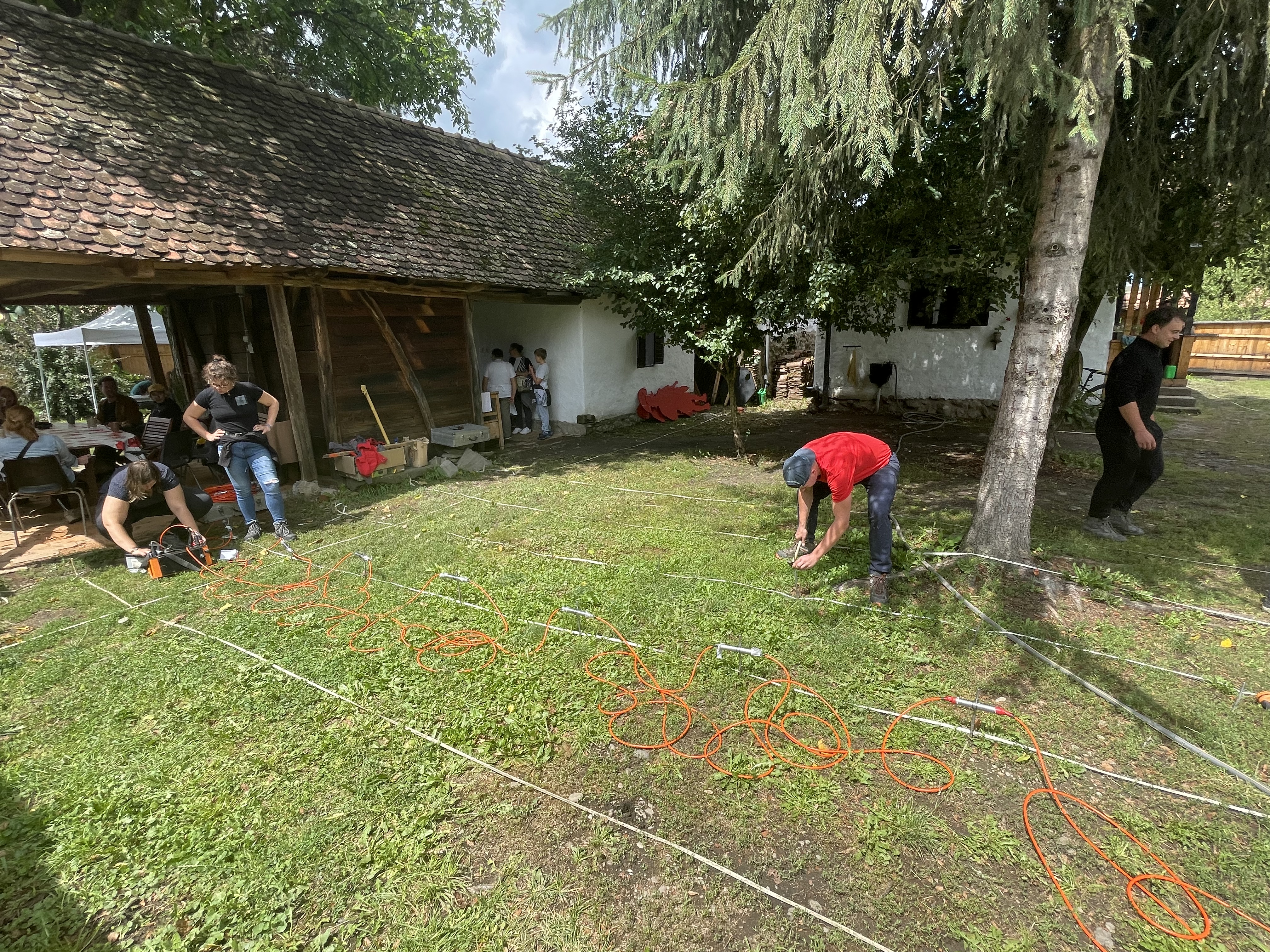
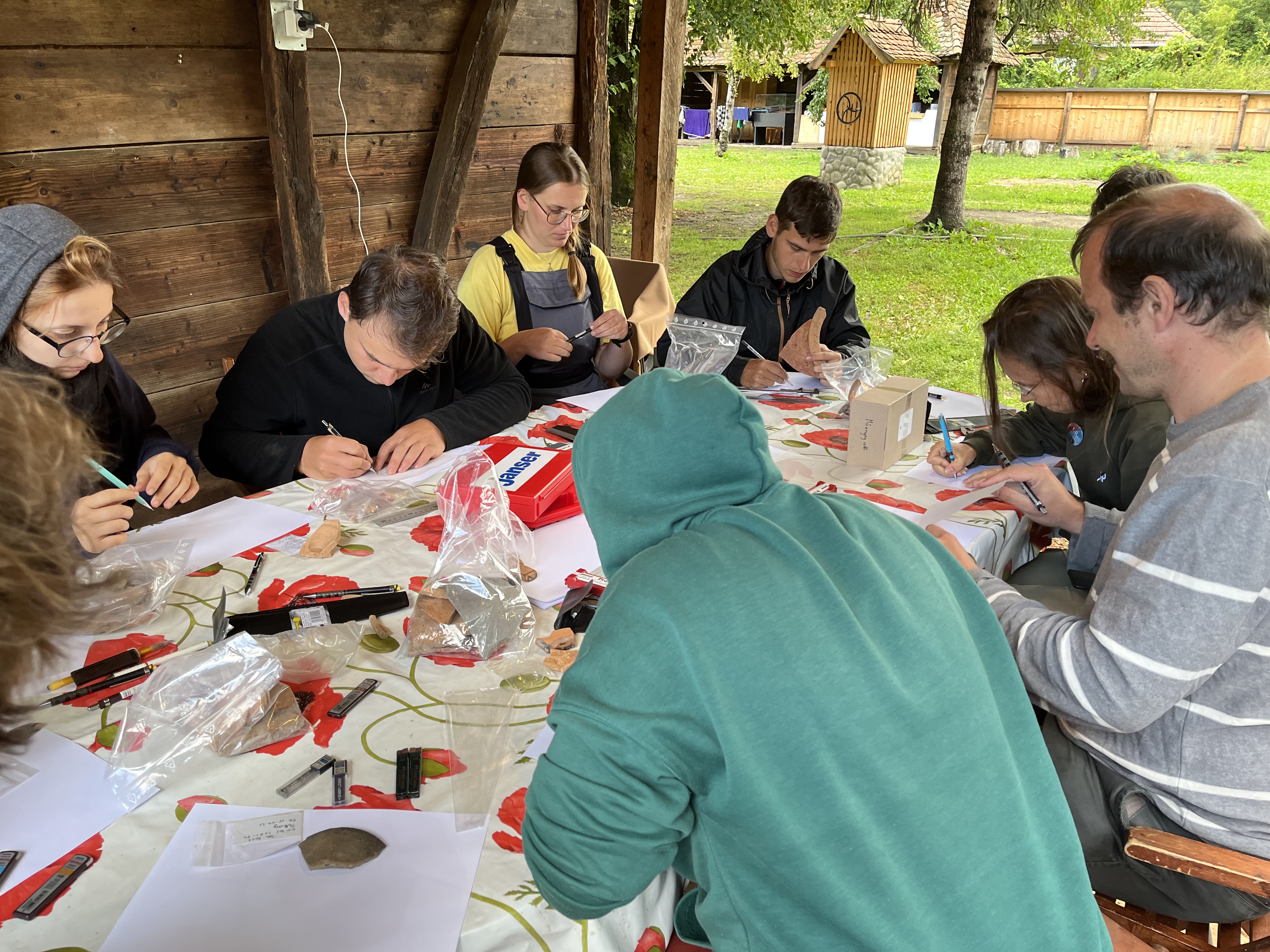
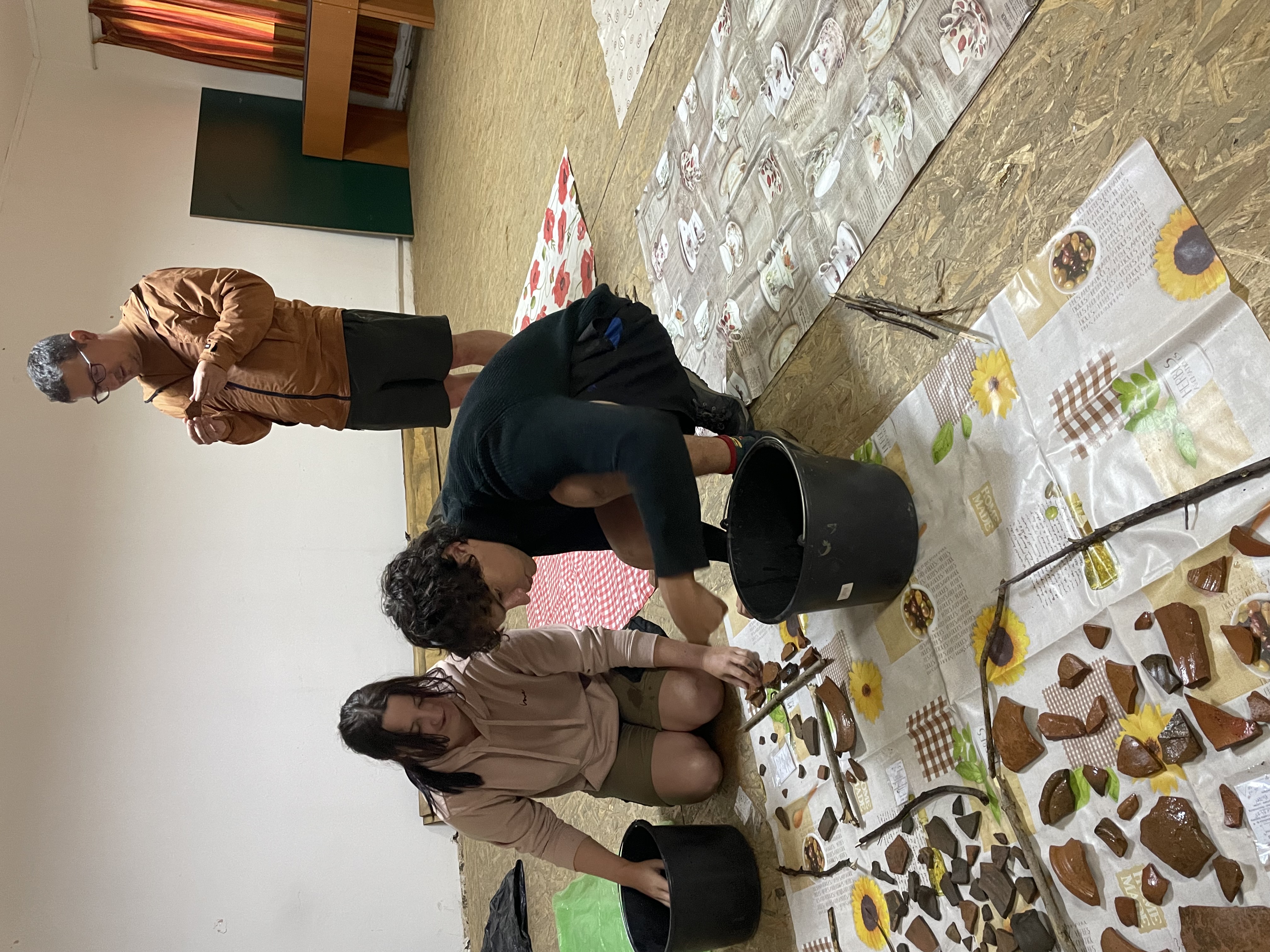
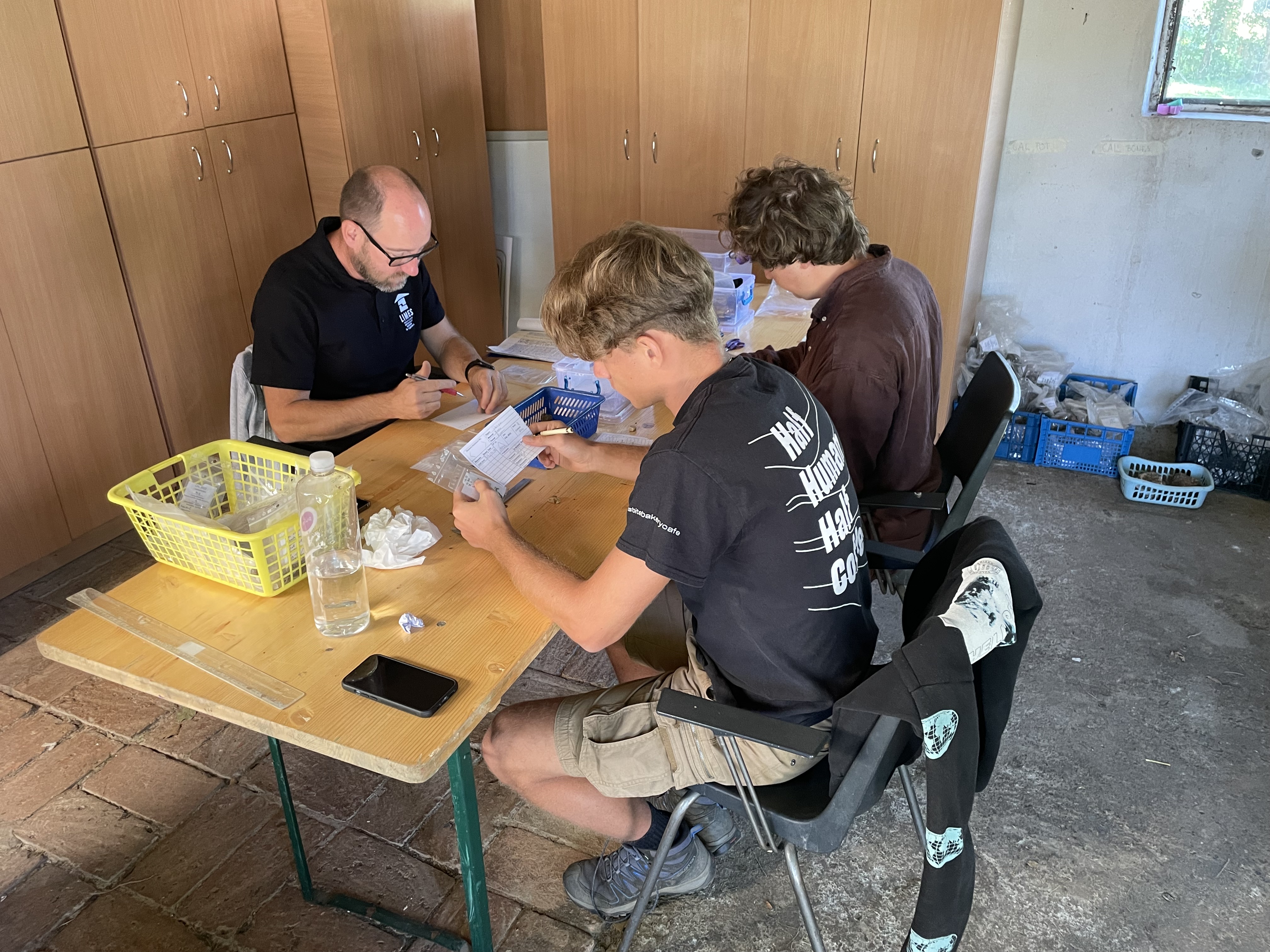
The aim of the program was to provide a comprehensive, complex summer field training experience in an international, interdisciplinary environment. Students gained experience in English-language (MOLAS) archaeological documentation, GIS tools, and the recording and drawing of archaeological finds.
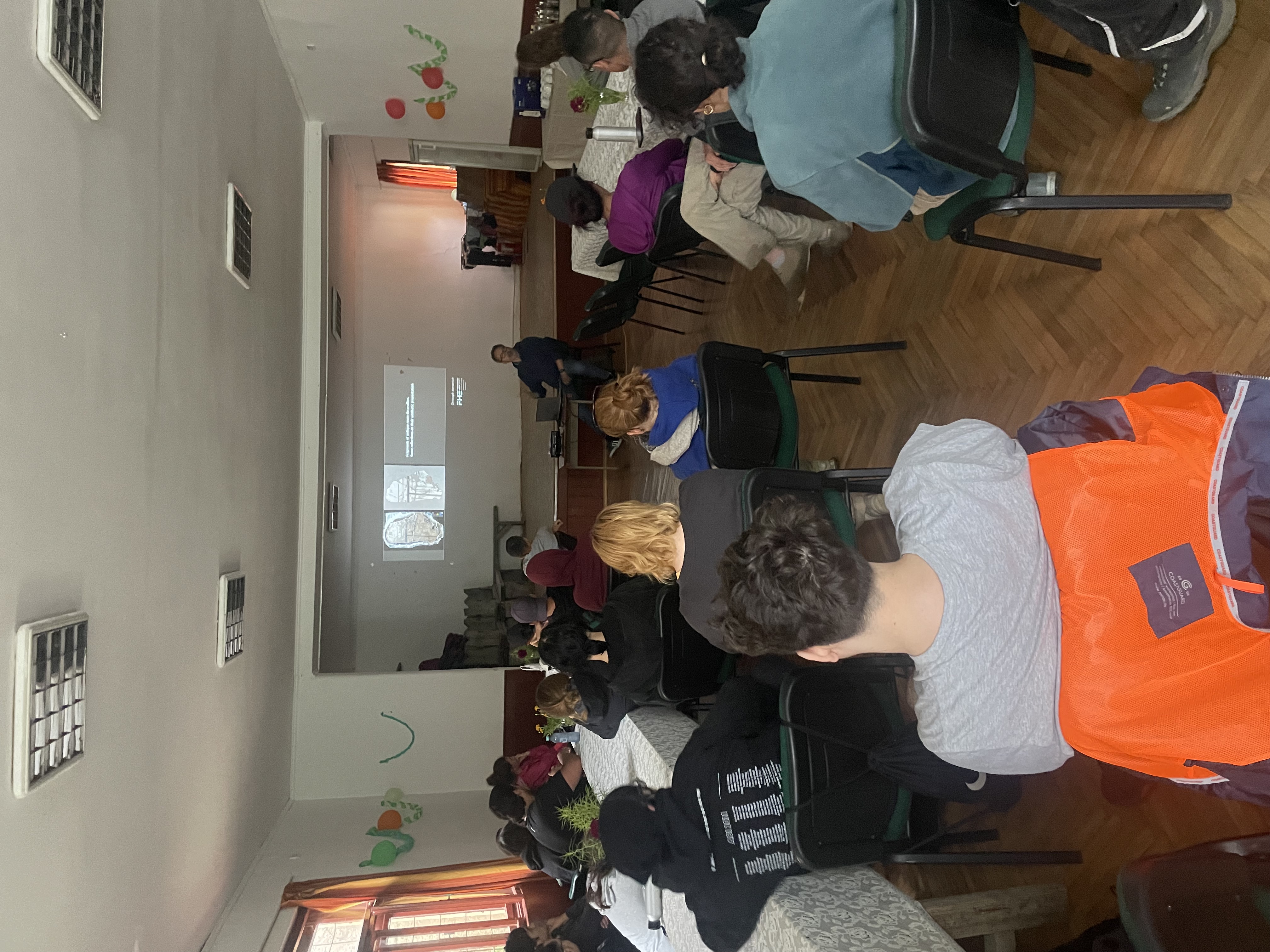
In addition, through lectures and practical sessions, participants were introduced to Roman frontier defense systems, material culture, archaeological geophysics, vernacular architecture, conservation, and heritage protection in the region.
The fieldwork and lectures were complemented by:
- a hiking excursion along the Roman limes
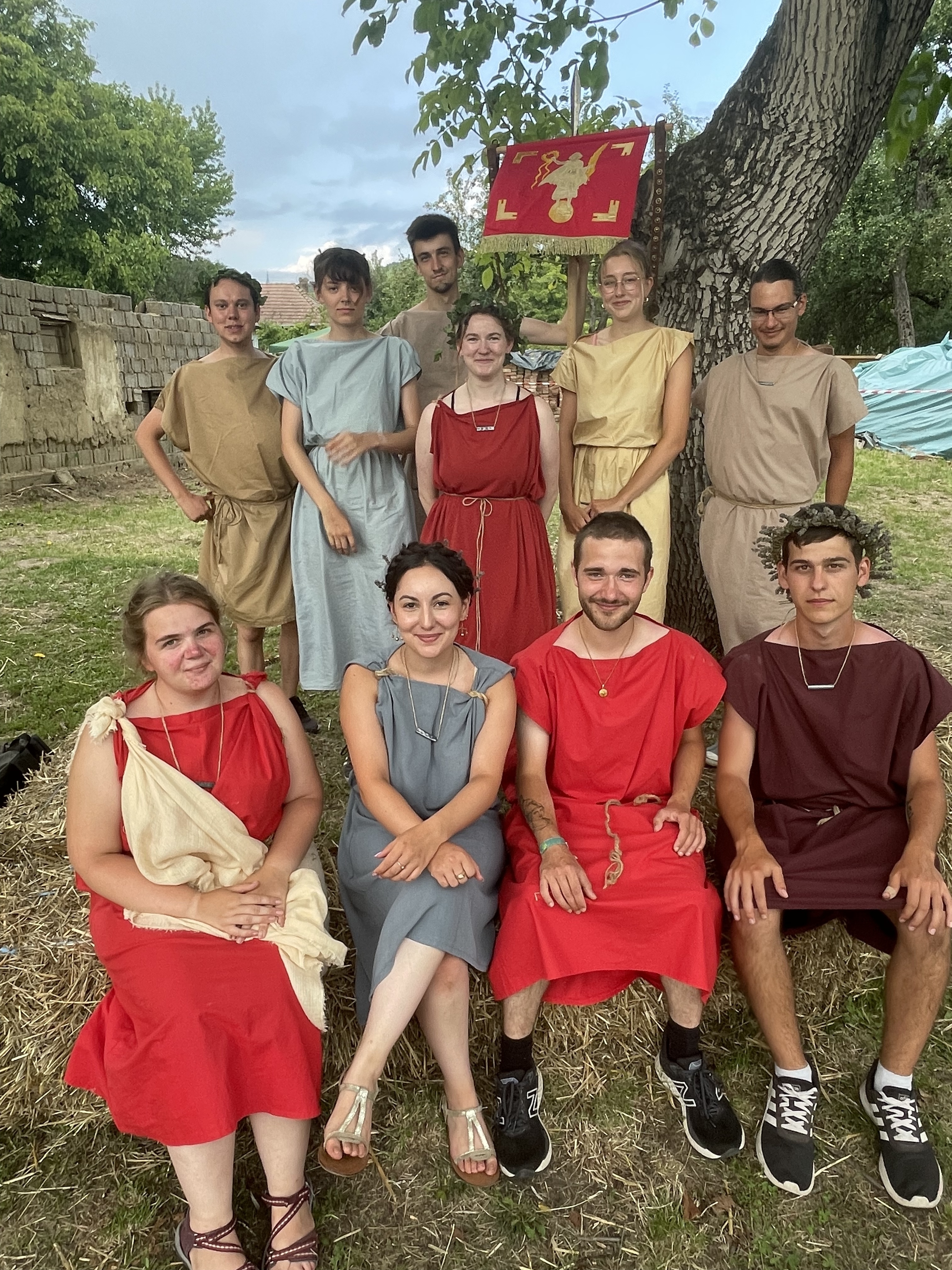
- participation in the 10th and 11th Roman Festivals at Mikháza
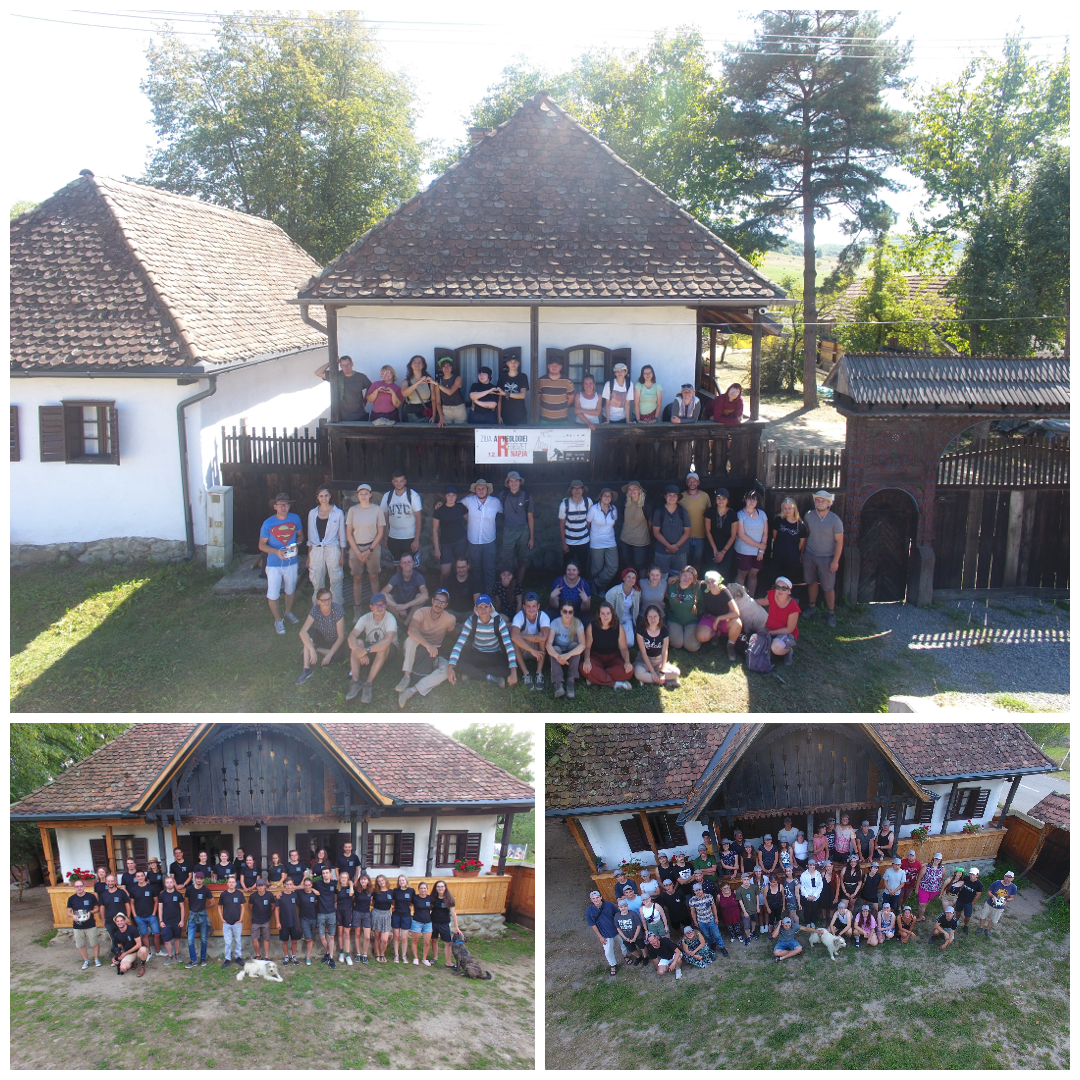
- participation in the 12th Archaeology Day
- study trips to Turda, Rimetea, Alba Iulia, Aiud, Sighișoara, Porolissum, Bistrița, Bonțida, and Cluj-Napoca
The international setting provided excellent opportunities for students to improve language skills, build professional networks, and deepen their archaeological knowledge.
The Research
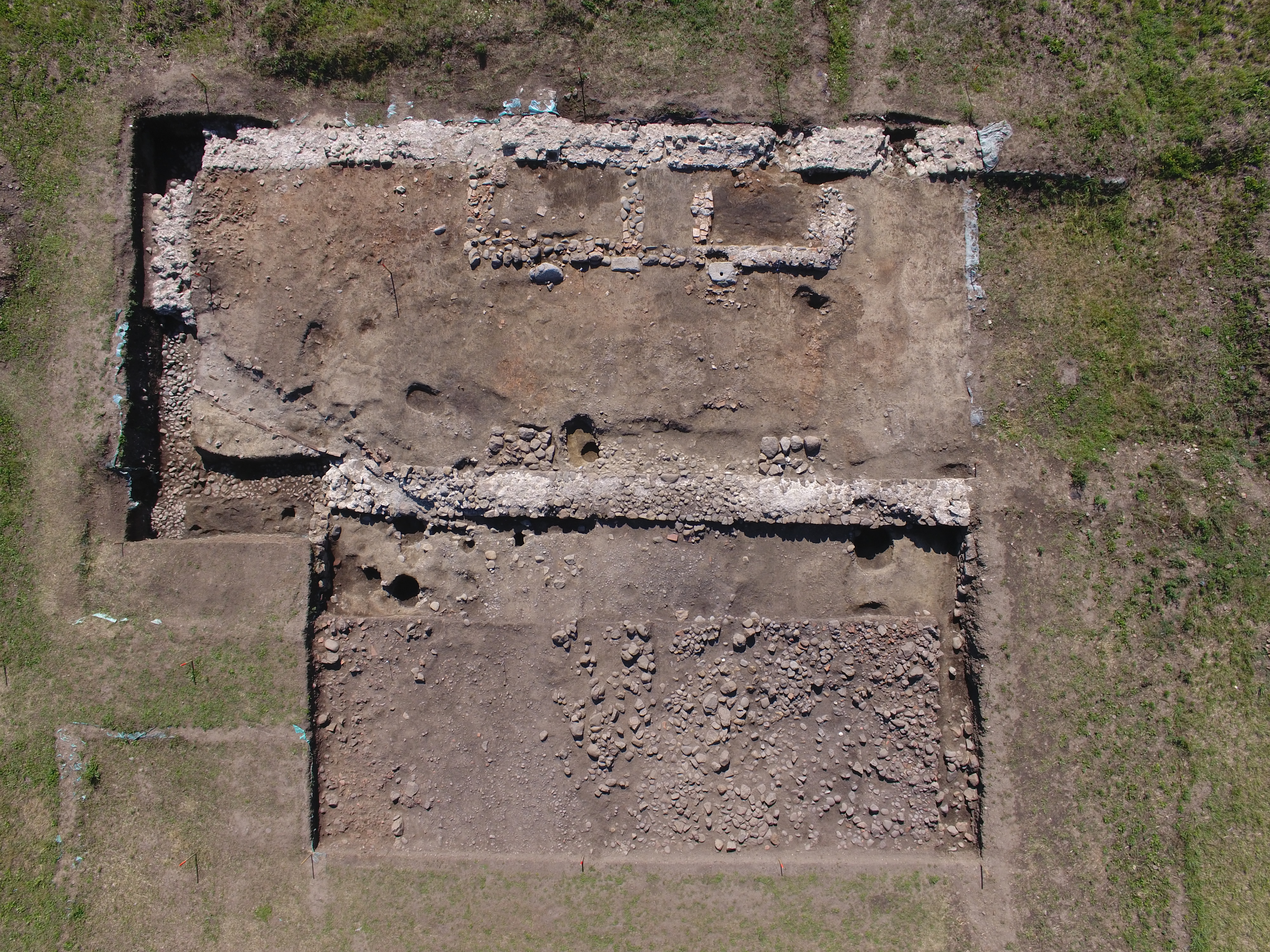
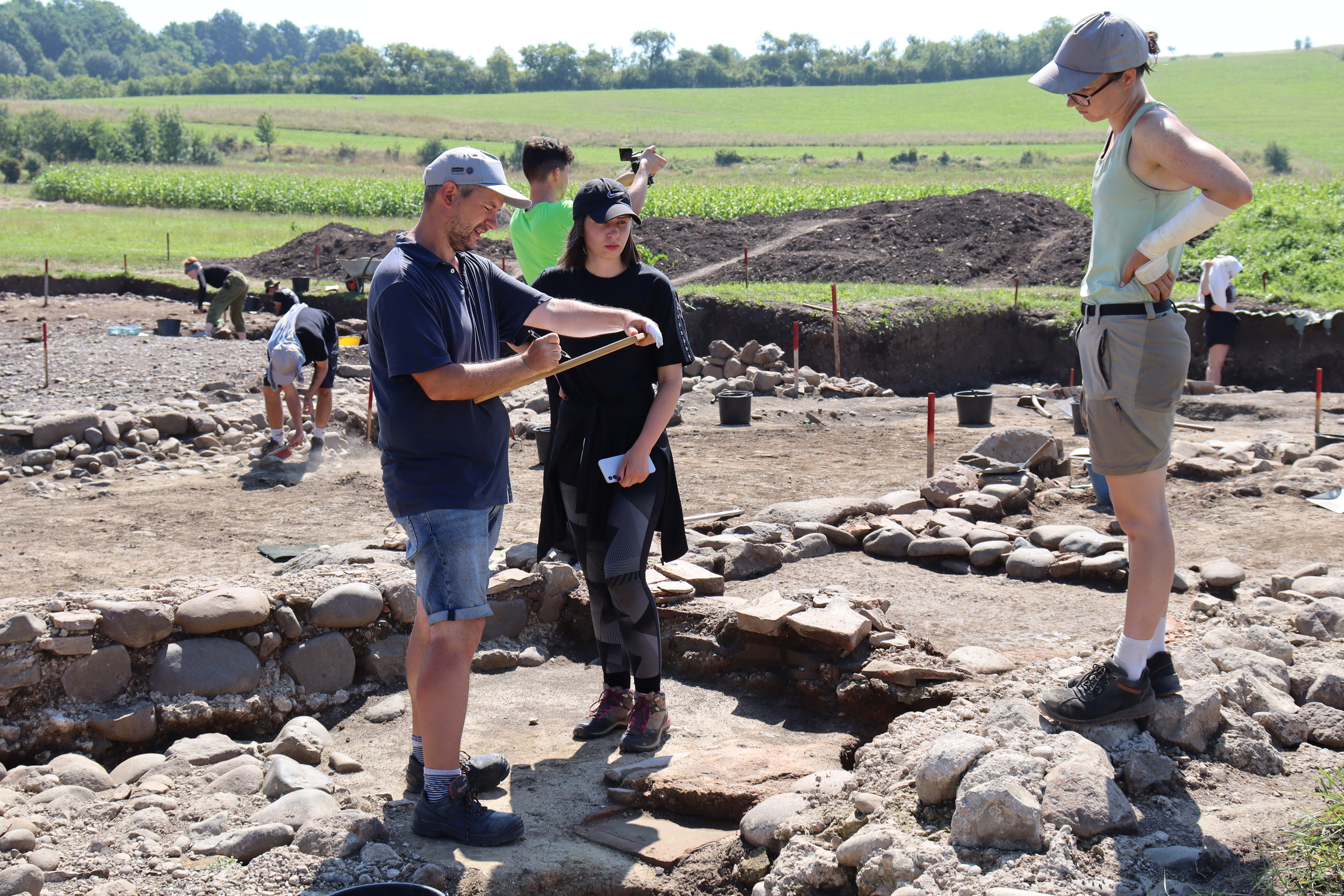
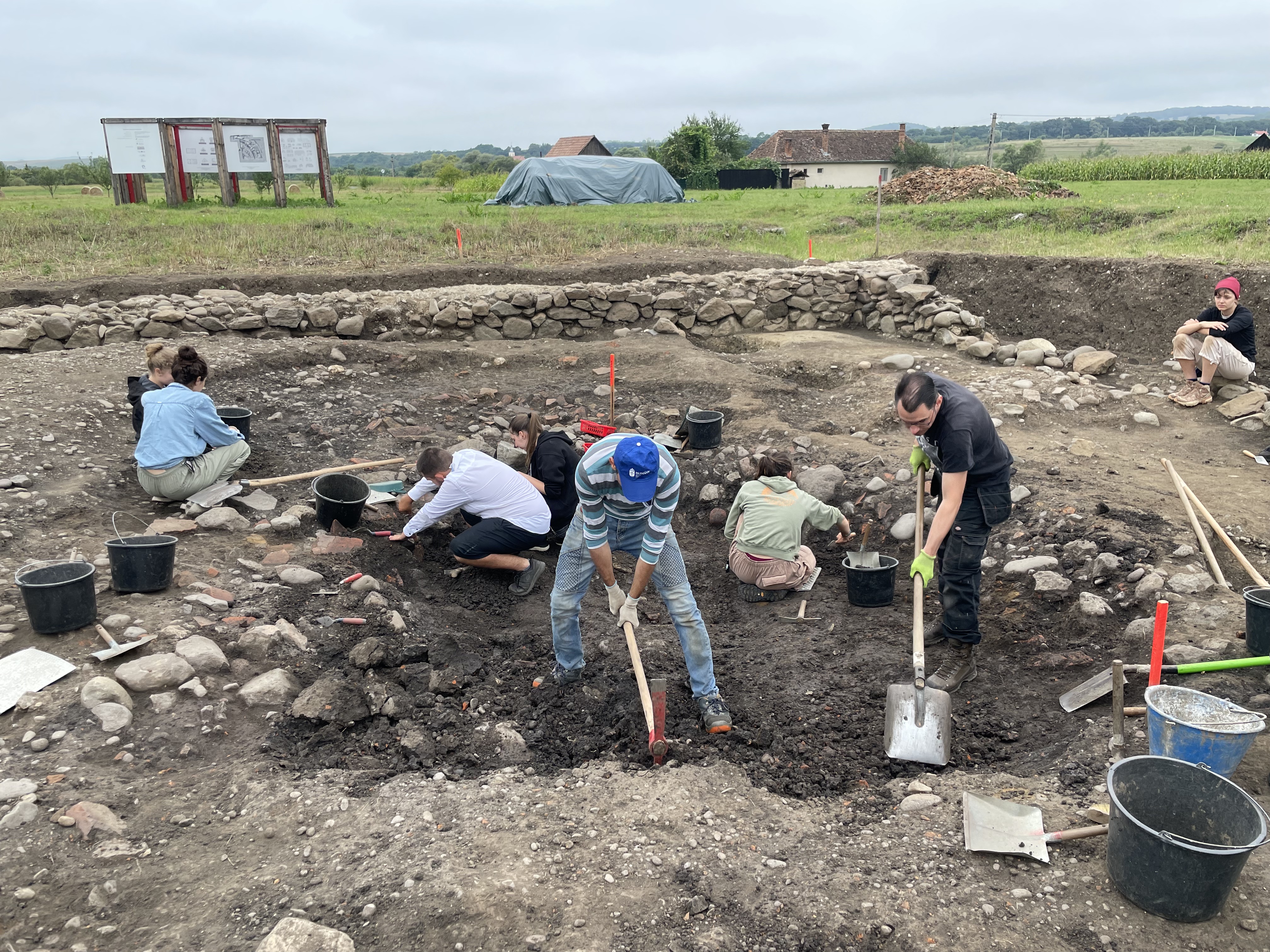
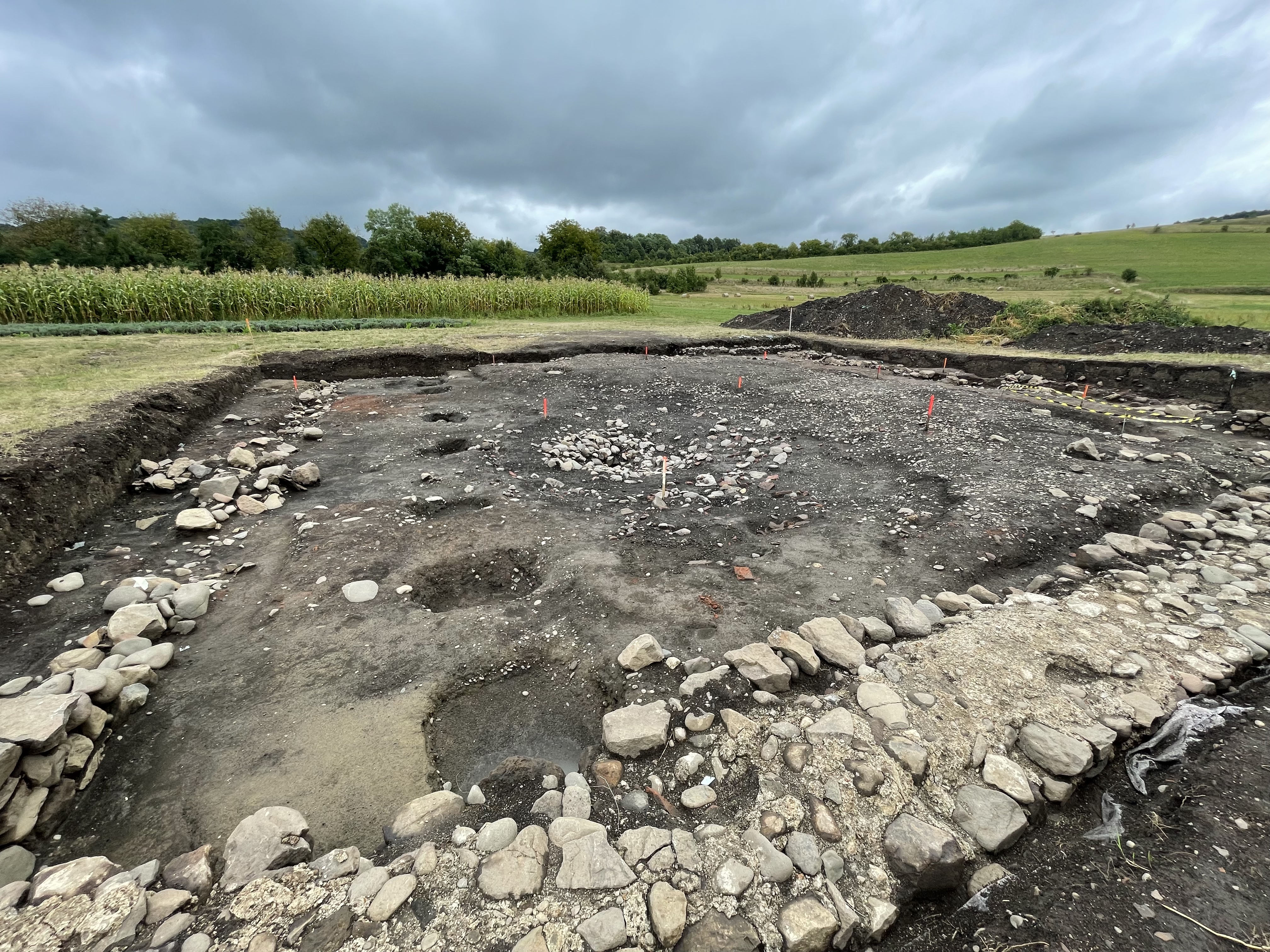
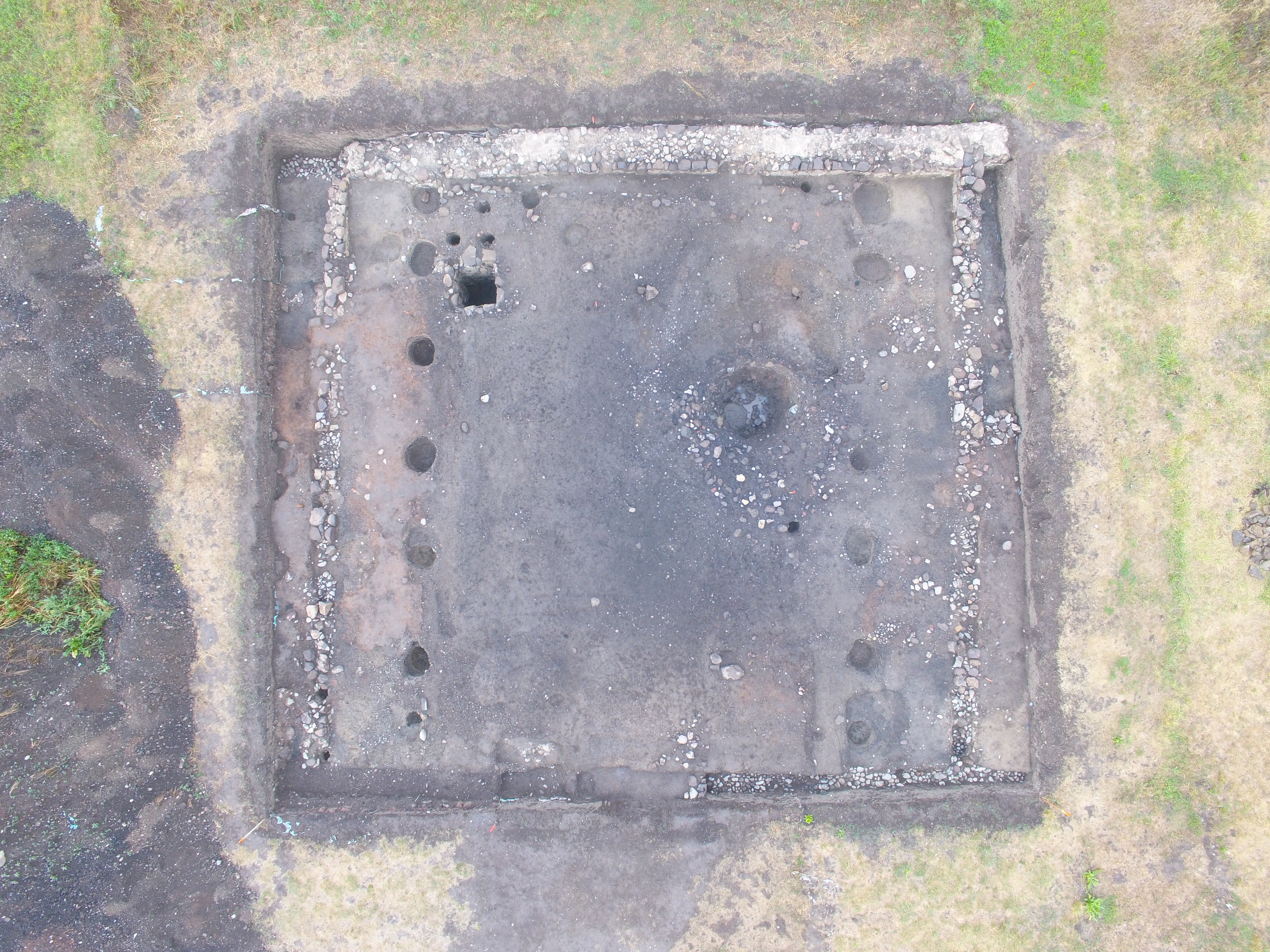
In 2022 and 2023, research at Mikháza focused on the command building (principia) of the Roman fort. This central structure follows standard 2nd–3rd century layouts: a rectangular building with an open courtyard surrounded by porticoes, aligned along a central axis and bordered by a basilica (assembly and administrative hall including the shrine of the standards).
Excavations uncovered:
- destruction layers and floor levels of the basilica
- the decorated entrance to the aedes (shrine), likely flanked by statues and inscriptions
- multiple courtyard layers dating to the Roman period
Numerous finds associated with the building’s function were recovered, including arrowheads, fragments of scale armor, iron nails, glass finds, and stamped bricks.
These results provide valuable insight into life at a peripheral frontier station in the 3rd century AD. In the uncertain decades before the abandonment of the province (under Gallienus and/or Aurelian), the courtyard was repeatedly leveled with burnt debris, the portico was removed, and new late-phase rooms were constructed.
This demonstrates that military camps were dynamic, continuously changing spaces, with structural modifications driven not only by external threats but also by internal functional needs.
Adaptation to local conditions is also reflected in building materials and techniques:
- stone was used mainly for foundations
- upper walls were likely made of mudbrick or timber-framed structures with clay infill
Similar lightweight structures and leveling layers were identified in the vicus area investigated in 2024. Along a Roman road, a multi-phase building with a courtyard was identified near a previously suspected metalworking workshop.
Research is expected to continue at both excavation areas in the coming years.
The eastern limes of Dacia represents one of the most complex frontier systems of the Roman Empire. Research at Mikháza and its surroundings therefore contributes significantly to the broader understanding of Roman frontier defense.
As a kind of “time capsule” of the Middle Imperial period, the site also serves as an important reference point for studying military installations in other provinces (including Pannonia), particularly in relation to:
- center–periphery dynamics
- logistics and supply systems
- frontier defense
- weaponry
- spatial organization
- architecture